Jun
25
2026
The Irrevocable Trust Trap: Why Some Athletes Are Locking Away Assets They Can Never Access
Athletes are locking $5M-$10M into irrevocable trusts for asset protection, then discovering they can't access their own money in emergencies or opportunities. Learn why "irrevocable" means permanent, the hidden costs of irrevocable trusts, better alternatives for asset protection (LLC, DAPT, insurance), and why most athletes regret locking assets away.
Read MoreJun
18
2026

The Athlete Podcast Income: Tax Deductions, Advertising Revenue, and Why You're Leaving Money on the Table
Podcast sponsorship income is taxed as self-employment income at 15.3% plus income tax, creating tax rates above 60% for most athletes. Learn S-Corp taxation for podcasts, deductible business expenses (equipment, labor, marketing, professional services), podcast sponsorship value metrics (CPM rates), bundling multiple sponsors per episode for higher revenue, and why S-Corp + deductions + better sponsorship rates increases net income by $50,000-$100,000+ annually.
Read MoreJun
11
2026
The NFL/NBA Salary Cap Bypass: How Deferred Comp and Structured Deals Are Creating Tax Nightmares
Athletes sign $200M contracts with deferred compensation structured for salary cap management, but don't understand the tax nightmare. Learn why deferred money is taxed when received (not earned), how multiple deferrals create massive single-year tax bills, and how to negotiate better deferral structures to minimize tax impact.
Read MoreApr
30
2026
The Athlete Loan-Out Company Mistake: Why the IRS Is Reclassifying Your LLC as a Sham
Athletes form LLCs to save taxes on endorsement income, then face IRS audits reclassifying their companies as shams. Paying yourself $50,000 salary on $2 million in income triggers $300,000+ in penalties for unreasonable compensation. Learn what makes loan-out companies legitimate, why the IRS targets athletes, and when you're better off without one.
Read MoreApr
23
2026
The Name, Image, Likeness Buyback Clause: Why Athletes Are Paying Millions to Get Their Own Image Back
Athletes sign endorsement deals at 22 granting "perpetual rights" to their image for $100,000 then discover they must pay $1.5 million to buy back those rights when their value increases. Learn why perpetuity clauses trap athletes, how buyback negotiations work, and how to protect your image rights before signing them away forever.
Read MoreApr
16
2026
The Athletic Foundation Self-Dealing Scandal: Why the IRS Is Revoking Tax-Exempt Status
Athletes start foundations with good intentions but terrible execution—paying themselves excessive salaries, hiring family members, and giving minimal amounts to actual charity. Learn why the IRS is revoking tax-exempt status for athlete foundations, what self-dealing means, and how to run a legitimate foundation without facing $500,000+ in penalties.
Read MoreMar
26
2026
The Residency Audit: Why the IRS Is Targeting Athletes Who Claim Florida/Texas Residency
Athletes are moving to Florida and Texas to avoid state income tax, but the IRS and high-tax states are fighting back with aggressive residency audits. Learn why claiming you moved isn't enough, what actually constitutes legal residency, and how to avoid million-dollar tax bills from failed residency claims.
Read MoreMar
19
2026
The NIL Rights Buyout Scam: Why Former College Athletes Should Never Sell Their NCAA Lawsuit Claims for Pennies
Companies are offering former college athletes $500-$3,000 to buy their NCAA settlement rights; claims potentially worth $50,000-$500,000+. Learn why these buyout offers are predatory scams, what your House v. NCAA claim is actually worth, and why selling for pennies on the dollar will haunt you forever.
Read MoreMar
12
2026
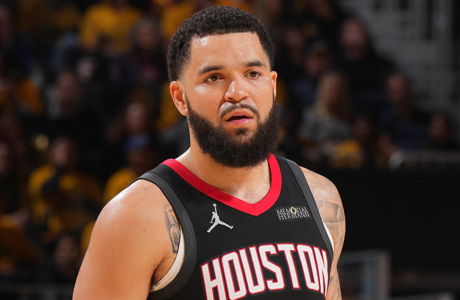
The Guaranteed Money Illusion: Why Your $50M 'Fully Guaranteed' Contract Isn't Actually $50M
Your $50M "fully guaranteed" contract isn't actually $50M. After federal taxes, state taxes, agent fees, escrow, and union dues, athletes keep only 40-55% of their contract value. Learn the real math behind guaranteed contracts and why understanding your actual take-home is critical to avoiding bankruptcy.
Read MoreMar
5
2026

The Buy Now, Pay Later Disaster: How BNPL Apps Are Destroying Athlete Credit and Creating Tax Issues
Professional athletes earning millions are using Buy Now, Pay Later apps like Affirm, Klarna, and Afterpay for everyday purchases. Learn why BNPL is destroying athlete credit scores, creating tax nightmares, and signaling serious financial problems; plus how to break the BNPL addiction before it's too late.
Read MoreFeb
26
2026

The Relationship Tax: How Marriage, Divorce, and Cohabitation Impact Athlete Wealth (And What to Do About It)
Money is the leading cause of stress in relationships. For professional athletes and entertainers, the financial stakes are exponentially higher and the risks are uniquely complex.
Read MoreFeb
19
2026

From Athlete to Investor: Building a Real Estate Portfolio During Your Playing Career
Real estate has created more millionaires than any other asset class in American history. For professional athletes, it's also one of the most effective strategies for converting short-term playing income into long-term passive wealth.
Read MoreFeb
12
2026

Retirement at 30: Building a Post-Career Income Strategy While You're Still Playing
Most people work until they're 65-70, then retire with Social Security, a pension, and maybe some savings. They need their money to last 15-20 years. Professional athletes "retire" at 28-32 on average with zero employment income, no pension (in most cases), no Social Security benefits yet, and 50-60 years of life remaining.
Read MoreFeb
5
2026

Guaranteed Contracts vs. Performance Incentives: Structuring Compensation to Minimize Tax Liability
When athletes and coaches negotiate contracts, the conversation typically focuses on total dollars.
Read MoreJan
15
2026
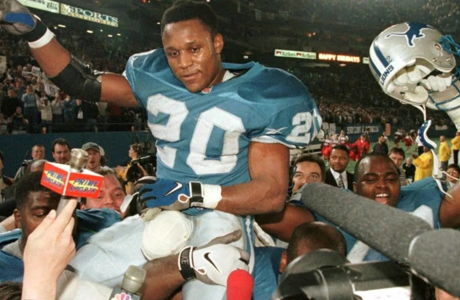
The Retirement Account Trap: Why Traditional 401(k) Advice Doesn't Work for High-Earning Athletes
When a professional athlete sits down with a traditional financial advisor for the first time, one of the first pieces of advice they hear is usually: "Make sure you're maxing out your 401(k)." It's standard personal finance wisdom that works well for the average American professional earning $75,000 to $150,000 annually over a 40-year career. But for an athlete earning $3 million per year over a 5-year career window? That advice is not just inadequate, it's a distraction from strategies that actually move the needle.
Read MoreJan
8
2026

Equity vs. Cash: Evaluating Endorsement Deals and Business Partnership Offers for Athletes
The endorsement landscape has fundamentally shifted. A decade ago, most athlete and entertainer partnerships were straightforward: promote a product, receive a check. Today, brands are offering equity stakes, and high-profile clients are becoming part-owners in everything from sports drink companies to tech startups. While equity deals can sound appealing, who wouldn't want to be an early investor in the next big brand? They come with complexities that require careful evaluation. Not every equity offer is created equal, and understanding how to assess these opportunities is critical to building sustainable wealth.
Read MoreDec
4
2025

Power 5 vs. Mid-Major Money: The Financial Case for Staying at a 'Smaller' School in the Revenue Sharing Era
Everyone Says 'Follow the Money' to Power 5 Schools. Here's Why Staying at a Mid-Major Might Actually Make You Richer.
Read MoreNov
27
2025

The Injury Loophole: How NIL Contracts Are Using 'Impairment' Clauses to Stop Paying Injured Athletes
Your NIL Contract Says You'll Get Paid Even If You're Injured. Read the Fine Print—You Probably Won't.
Read MoreNov
20
2025
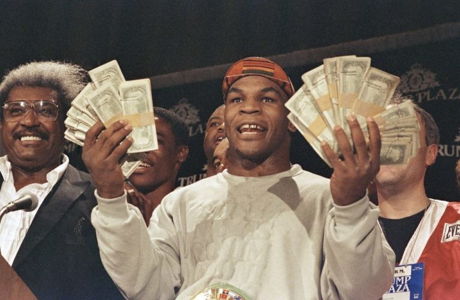
The Lifestyle Creep Trap: How Athletes Go from $50K to $500K and Still End Up Broke
78% of NFL players face serious financial hardship after retirement. 60% of NBA players go broke within five years.
Read MoreOct
23
2025
Why the NCAA’s New Betting Permission is a Major Risk for College Athletes and What They Should Be Doing Instead
The NCAA’s decision to allow student‑athletes to bet on professional sports may seem harmless, but it introduces significant financial, emotional, integrity and career risks. Learn why this matters, how athletes should respond, and how their support teams must act.
Read MoreOct
23
2025

NIL Monetization Beyond Endorsements: How Athletes Are Generating Passive Income in 2025
Athletes are evolving past one-time endorsements. In 2025, equity deals, royalty licensing, fan tokens, and digital content platforms are driving new, sustainable passive income models. Learn how to convert active NIL into lasting earnings.
Read MoreOct
16
2025

Why Whoopi Goldberg Says She Can’t Retire And What Her Story Teaches Us About Financial Planning
Whoopi Goldberg earns $8 million a year, but says she can’t afford to retire. Her story reveals how even high earners face financial stress without the right planning. Learn the key lessons athletes and professionals can apply to build lasting financial freedom.
Read MoreOct
9
2025
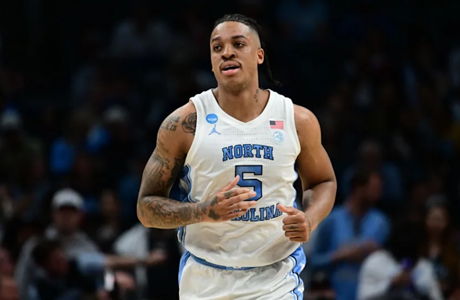
Why Most Athletes Struggle After Graduation And How to Prevent It
Graduation ends your eligibility, but it doesn’t have to end your financial stability. Many athletes find themselves in crisis after the final whistle. Learn the key pitfalls and actionable strategies to avoid post-grad financial struggles.
Read MoreOct
2
2025
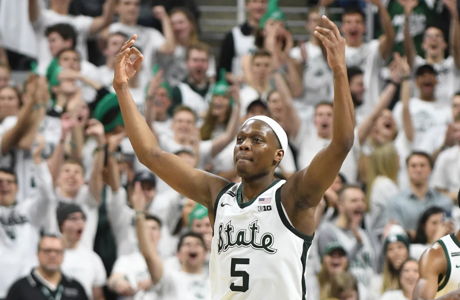
What Does $1M Really Buy You? The Illusion of NIL Wealth Without a Plan
A million-dollar NIL deal is headline news, but how much do athletes truly keep? Explore what $1M looks like after taxes, expenses, and lifestyle pressures and how planning turns it into lasting wealth.
Read MoreSep
25
2025
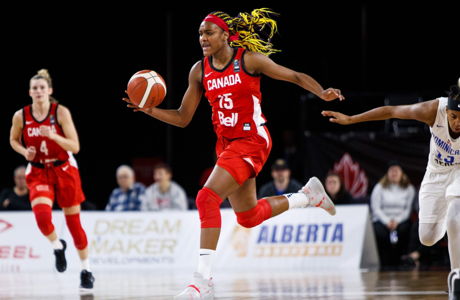
International Athletes and NIL: Immigration, Tax, and Compliance Strategies for 2025 and Beyond
International student-athletes are navigating unprecedented NIL opportunities, but with high immigration and legal risk. This in-depth guide helps athletes, families, and institutions protect visas, plan cross-border income, and build long-term wealth.
Read MoreSep
18
2025
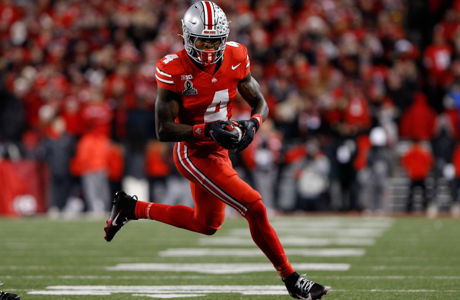
Insurance, Risk Management & Having the Right Team: What Jeremiah Smith’s Move Teaches Athletes About Financial Planning
When Ohio State’s Jeremiah Smith secured a disability insurance policy before the College Football Playoff, he showed athletes how risk management protects future income. Here’s what every athlete and family should learn.
Read MoreAug
28
2025

How Families Can Support Smart NIL Wealth Building
A family and athlete mapping financial goals and planning strategies around a table filled with budget plans and legal documents.
Read MoreAug
21
2025
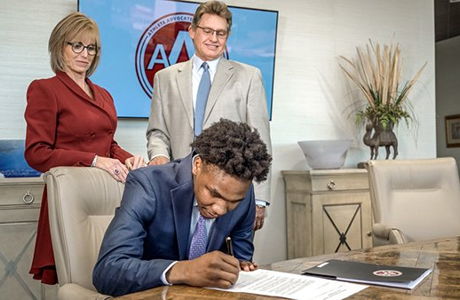
Shielding NIL Gains: Estate, Tax & Risk Protection Strategies
An extended, strategic guide for college athletes transitioning to professional life, covering multi-state tax planning, entity structuring, estate tools, charitable strategies, insurance, fraud protection, and real-life scenarios to preserve NIL wealth
Read MoreAug
7
2025
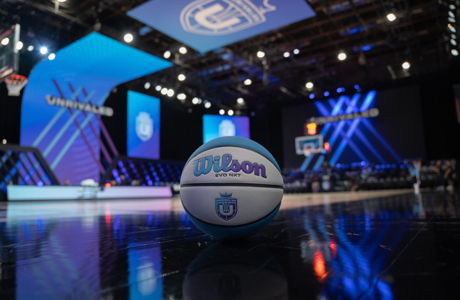
From Three‑on‑Three to the Income Line: Unrivaled League Salaries and Equity Structures
Explore how Unrivaled, the revolutionary women’s 3-on-3 basketball league, is flipping the professional sports script with equity ownership, six-figure salaries, and a future-forward athlete business model.
Read MoreJul
31
2025

What Trump’s July 24, 2025 NIL Executive Order Means for College Athletes
A comprehensive breakdown of Trump’s 2025 NIL executive order and how it reshapes athlete compensation, NCAA oversight, and the future financial rights of college athletes.
Read More

Jun
18
2025